Deep Space
Astrophotography by our members
All the images were taken in Guernsey, unless otherwise stated.
© 1992-2026. Please contact us for permission to reproduce.
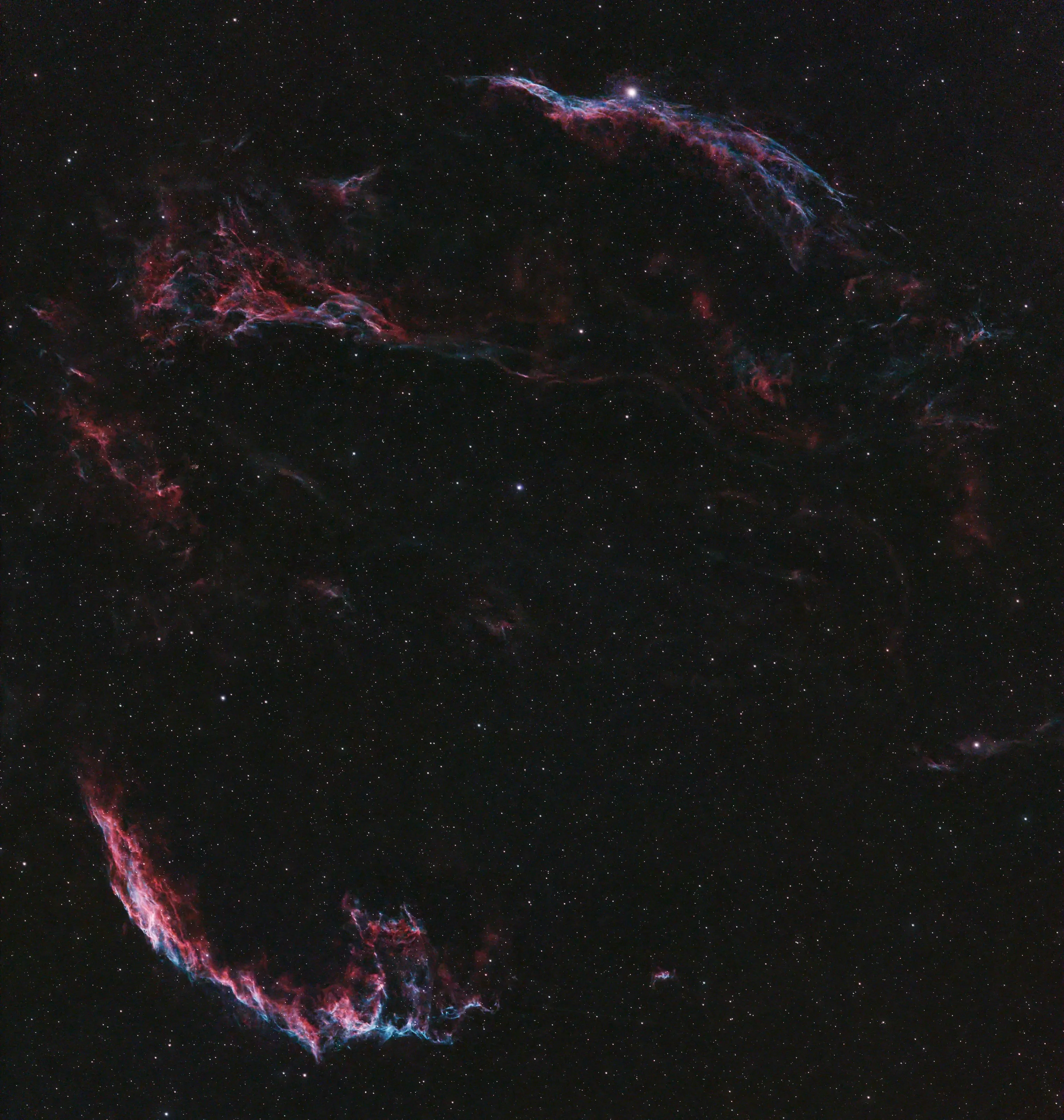






The beautiful remains of a massive star that ended its life in a supernova explosion around 10,000–20,000 years ago. Located approximately 2,400 light-years from Earth in the constellation Cygnus, the shell of gas and dust stretching across nearly 110 light-years of space. The image was captured over several nights and about 4 hours of data at 250mm F/5 using a dual-band narrowband filter to isolate the Hydrogen-alpha (Ha) and Oxygen-III (O-III) emissions. Post processing was done using PixInsight, Photoshop and Lightroom.
Credit: Ashley Dye
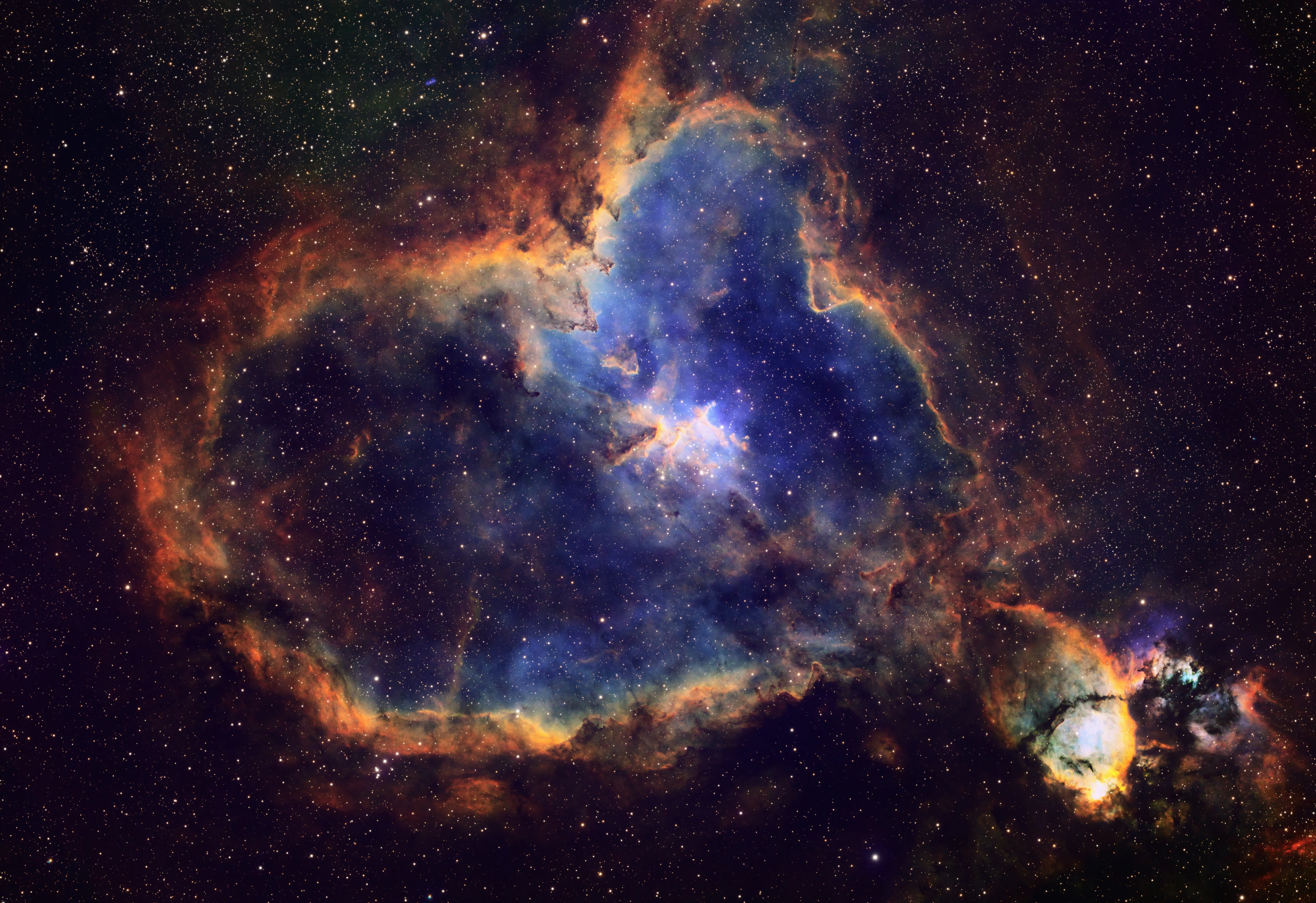
An emission nebula in the constellation Cassiopeia. It’s a mix of glowing interstellar gas and dark dust clouds. Its commonly used name obviously comes from its shape. About 7 hours total capture time over a few nights. This image was used as the cover photo of Sagittarius 2026 which includes a full write up of the object and a description of the capture and equipment.
By Hugh Whitchurch.
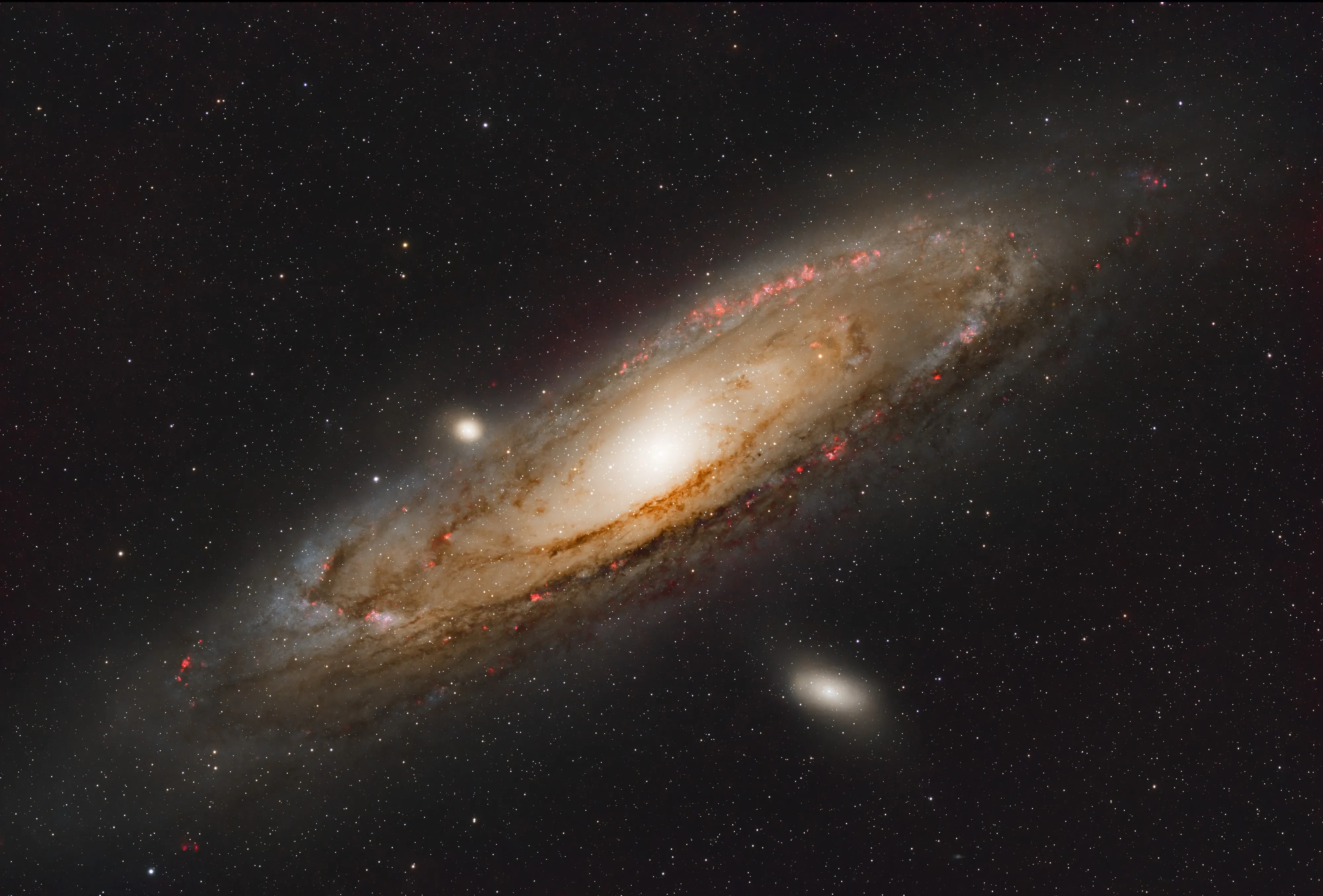
Our nearest galactic neighbour and the largest of our local group of three large galaxies. This image was taken over three nights, totalling nearly four hours capture. See Sagittarius 2026 for a full write up of this object and a description of the capture and equipment.
By Hugh Whitchurch.
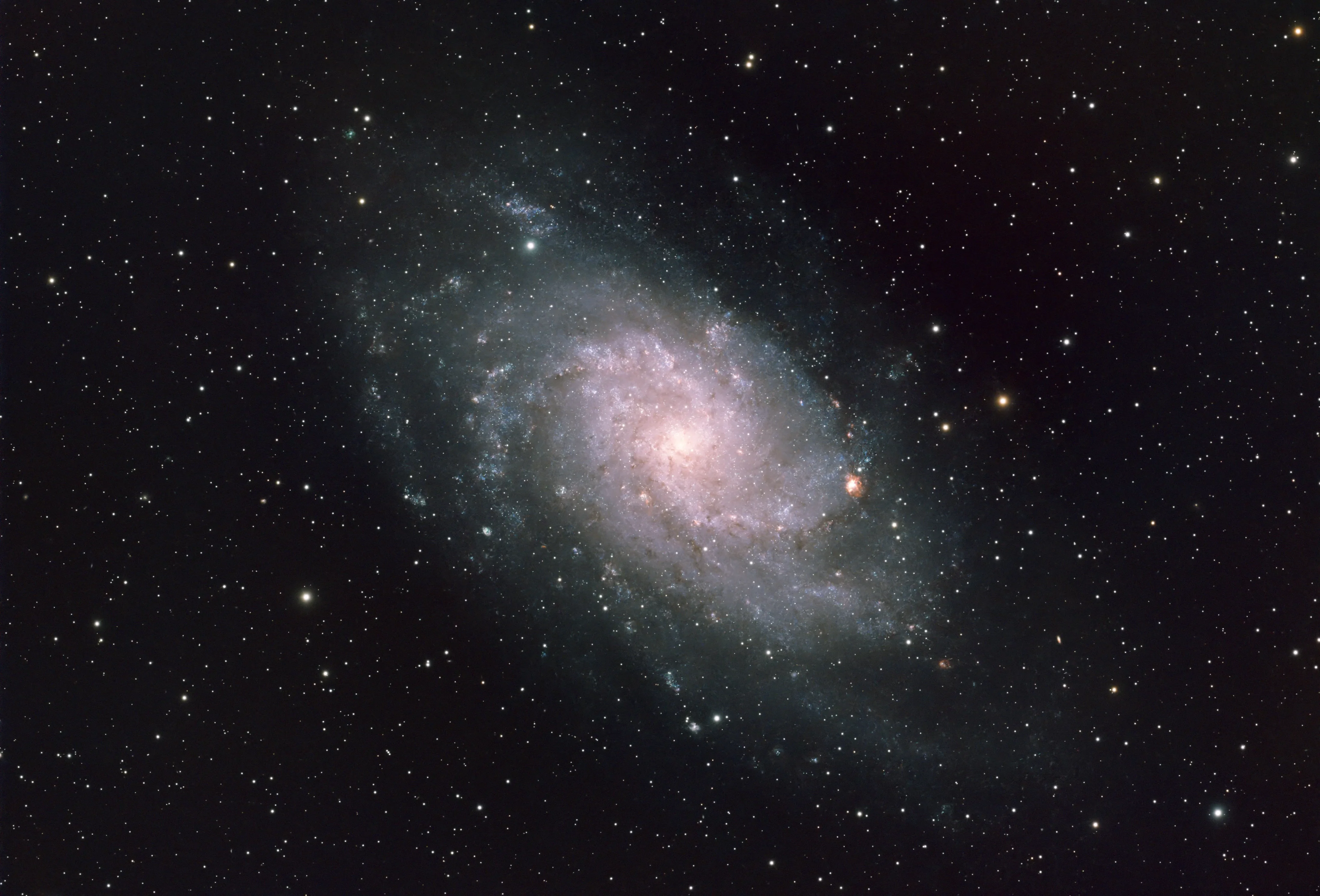
A spiral galaxy and the smallest of the three larger galaxies that make up our local group. A total exposure time of only 2 hours 20 minutes (28 x 300sec). See Sagittarius 2026 for a full write up of this object and a description of the capture and equipment.
By Hugh Whitchurch.
May 2020. 28 hours of combined Luminance, Red, Green, Blue, Hydrogen, Sulphur and Oxygen data. Taken with a cooled CCD and 106mm refracting telescope.
By Jean M Dean.
16th January 2015. Canon EOS 700D. By Chris McKane.
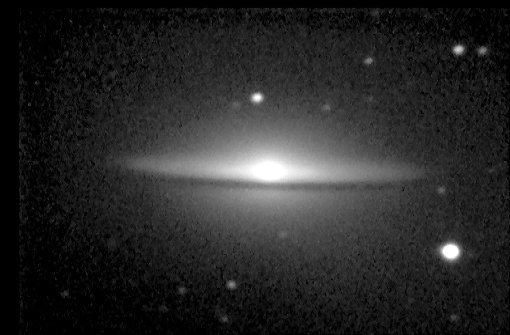
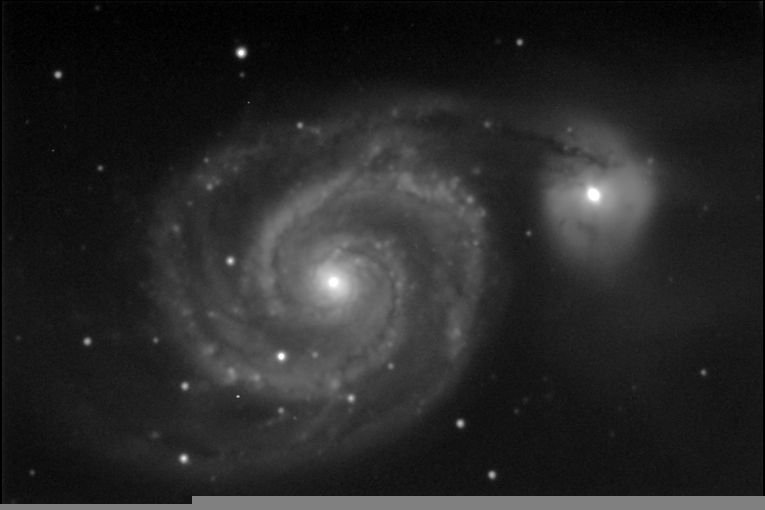
Celestron C-14 telescope, CCD.
By Daniel Cave.
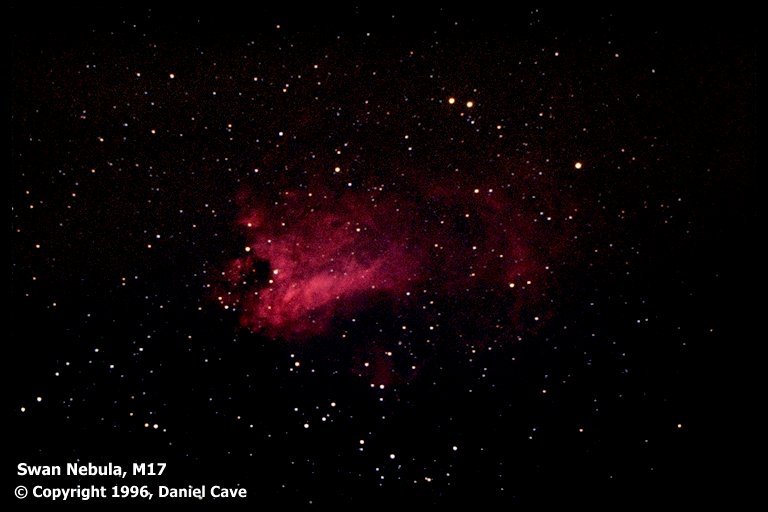
Celestron C-14 telescope, CCD.
By Daniel Cave.
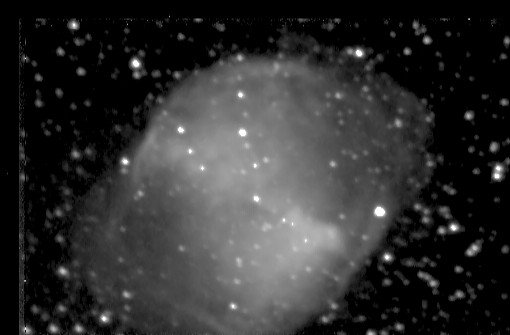
Celestron C-14 telescope, CCD.
By Daniel Cave.
Celestron C-14 telescope.
By Daniel Cave.
Celestron C-11 telescope, CCD.
By Daniel Cave.
Celestron C-11 telescope, CCD.
By Daniel Cave.
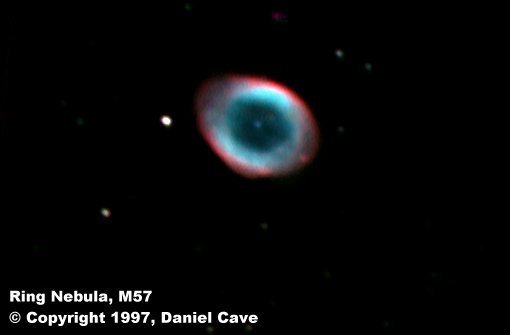
1997.
By Daniel Cave.
Celestron C-14 telescope, tri-colour CCD.
By Daniel Cave.
Celestron C-11 telescope, CCD.
By Daniel Cave.
Orion Nebula and Horsehead Nebula, 1997. By Daniel Cave.
Many were taken using a Starlight Xpress CCD camera on a Celestron C-14 telescope with a focal reducer at f/7.5. Others were taken with an SBIG ST-7XME CCD camera on a Celestron C-11, an 8-inch Celestron Schmidt camera, a Meade 16-inch telescope, or piggyback.